• New York is the state with the highest tax burden, study reveals: Full list

    what is the highest new york state income tax rate

    If you are considering using a mortgage to purchase or refinance a property in New York, our New York mortgage guide can provide useful information about rates and getting a mortgage in the state. (mm) The standard deduction begins to phase out at $16,000 in income for single filers and $23,000 in income for joint filers. The standard deduction phases out to zero at $108,000 for single filers new york income tax and $126,499 for joint filers. (c) For single taxpayers with AGI below $23,500, the standard deduction is $2,500.

    what is the highest new york state income tax rate

    Time Limits for Amending

    So, if you’re updating your wardrobe, don’t be surprised if you see a sales tax added to your bill. The federal standard deduction for a Head of Household Filer in 2024 is $ 21,900.00. — With tax season in full swing, millions of Americans are currently thinking about how much money they pay to the federal government each year. Once you’ve filed your tax return, all you have to do is wait for your refund to arrive. If you want to check the status of your New York tax refund, you can visit the New York Income Tax Refund page. The two most popular tax software packages are H&R Block At Home, sold by the H&R Block tax preparation company, and TurboTax Federal & State, sold by the Intuit software company.

    what is the highest new york state income tax rate

    New York State Tax: A Comprehensive Guide

    what is the highest new york state income tax rate

    Other factors such as legal framework, human rights protection, and enforcement capacity are also included. Culture refers to the shared beliefs, values, customs, behaviors, and artifacts that characterize a group or society. This category includes metrics such as language diversity, cultural heritage sites, artistic and literary achievements, and tourism. Culture can be a source of national pride and identity, and can also influence economic and social development.

    What about sales tax and other taxes?

    • The federal corporate income tax, by contrast, has a marginal bracketed corporate income tax.There are a total of twenty three states with higher marginal corporate income tax rates then New York.
    • These rates apply to taxable income, which is your total income after subtracting deductions and exemptions allowed by New York law.
    • Unlike Arizona’s base income tax rate schedule, the surcharge threshold is not adjusted for inflation.
    • While low rates may be enticing, the benefits of well-funded public services in areas with higher rates can contribute significantly to property values and quality of life.
    • The offers that appear on this site are from companies that compensate us.
    • Most tax preparers can electronically file your return for you, or you can do it yourself using free or paid income tax software, like the examples listed below.

    Complete Guide to State Estimated Tax Vouchers & Payments Managing your taxes can often feel… Comprehensive Guide to Local Municipality Taxes Navigating the world of local municipality taxes can seem… Navigating the Complex World of International Tax Treaties Understanding and effectively navigating international tax treaties… Estate Tax, Death Tax QuickBooks Accountant and Inheritance Tax Explained Understanding the intricacies of estate tax, death…

    what is the highest new york state income tax rate

    North Dakota State Tax: A Comprehensive Guide

    New York State maintained nine tax brackets from 4% to 10.9%, which applied to the 2025 tax year. The tax percentages work only against taxable income, which results from subtracting normal balance permitted deductions from your total gross income. While sales taxes often go overlooked in budgeting, they can accumulate significantly over time.

    Thinking About Real Estate? Let Brett Ari Fischer Guide You.

    If you have dependents, then you might be eligible to claim this credit that provides grants to those who have dependents under the age of 17. You can claim this credit even if you don’t qualify for the federal Child Tax Credit. Estimated tax payments are made on the 15th day of March, June, September, and December, regardless of whether the entity has a calendar or fiscal year end. “State revenue losses as a result of the pandemic have varied from far-less-than-expected to non-existent,” said Adam Schuster, senior director of budget and tax at the Illinois Policy Institute. Critics of the hikes also contend that any damage done to New York or other states and cities by the pandemic has been more than made up for by the billions in federal stimulus money being distributing to states. Andrew Yang, the former 2016 presidential candidate who is currently leading the Democratic primary for New York City mayor, has said he is against the tax increase as well.

    • By strategically using both, you can maximize your tax savings, allowing you to keep more of your hard-earned money.
    • Navigating the ever-evolving landscape of tax laws is a critical aspect of business management.
    • This state’s personal income tax brackets, particularly the highest three, are expected to remain constant through 2027.
    • CPA Practice Advisor is the definitive technology and practice management resource for accounting and tax professionals.
    • New York’s state income tax rates for 2025 range from 4% to 10.9%, depending on your income level.
    • The historic tables, however, have been updated to account for retroactive changes.

    Such taxes should be considered carefully as they are vital for financial planning matters. The state rate is 4.00% the average local rate is 4.53% (total average rate for New York Sales Tax is 8.53%). New York’s 14.74% total effective tax rate is comprised of a 6.15% real estate tax, a 3.8% income tax and a 4.79% sales and excise tax. New York state has a graduated, or progressive, individual income tax system that taxes lower-income taxpayers at a lower rate, while the highest-income taxpayers pay the most tax. New York’s progressive tax structure demands higher percentages to be paid by high income earners.

  • What Does Dda Stand For In Banking?

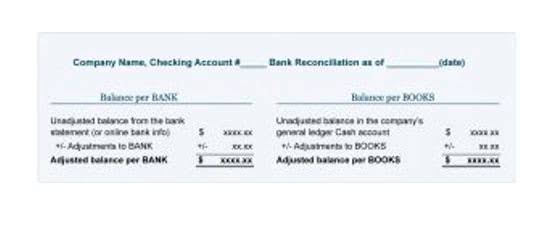
    These accounts are extremely liquid, making them helpful on your emergency fund in addition to for managing your day-to-day funds. Whereas conventional checking accounts often do not supply interest, some DDAs, like NOW accounts and money market accounts, provide modest interest rates. This feature can be helpful for account holders seeking to earn a small return on their deposits. A CD just isn’t https://accounting-services.net/ a DDA, however it is a type of deposit account, which means it has FDIC or NCUA insurance like different deposit accounts. However with CDs, you can’t entry your funds on demand as you’ll find a way to with checking or savings accounts.

    whats dda debit

    How Demand Deposit Account Differs From Different Checking Account Sorts

    • Other factors, similar to our personal proprietary website guidelines and whether or not a product is obtainable in your space or at your self-selected credit score rating vary, can also influence how and the place merchandise appear on this site.
    • Like demand deposit accounts, funds in time deposit accounts could be protected at financial institutions with FDIC or NCUA protection.
    • So the Client Financial Protection Bureau (CFPB), for instance, will count on fintechs to stick to state-specific fintech legal guidelines.
    • With an FBO, the end-user has an indirect relationship with the financial institution, because there’s an middleman that facilitates that relationship.
    • In this article, we on the MarketWatch Guides staff break down how every demand deposit account works, pros and cons of DDAs and how to handle them successfully.

    The flexibility and accessibility of DDAs provide clients with a handy way to handle their funds. With the power to access funds on demand, account holders can simply handle everyday bills, pay bills, and make purchases without any trouble. Demand deposit accounts are more than just tools for client banking—they could be key drivers of your institution’s future. With the proper strategy and tech, DDAs deepen relationships, develop deposits, and ship value all through the patron journey. As A Outcome Of of the distinctions in possession, the DDA model is sweet when an finish user needs what individuals would consider as a checking account. The FBO mannequin is usually used when an organization desires to supply an internet pockets (like, your Gemini fiat wallet, or your CashApp balance).

    Professionals And Cons Of Demand Deposit Accounts

    They typically offer larger interest rates than common checking accounts however include limitations on the variety of transactions allowed per 30 days. Money market accounts are additionally thought of DDAs because funds could be accessed on demand. Unlike a savings account, a checking account is a kind of demand deposit account that doesn’t limit the variety of transactions you also can make without paying a payment.

    Fact In Savings Act

    whats dda debit

    Time deposit accounts, such as certificates of deposit, require you to keep your funds untouched for a particular time frame, corresponding to six months or two years. A demand deposit account (DDA) is a kind of checking account where the end-user has direct ownership over the account — in different words, what you’d commonly think of as a checking or savings account. (The jury — or in this case, financial authorities — is still out on money market accounts, which are generally categorized as DDAs and different occasions not). Most People have one or more time deposit accounts within the type of a checking account, financial savings account or cash market account.

    Whereas we try to provide a extensive range of offers, Bankrate doesn’t embody details about each financial or credit services or products. Since money market accounts are not primarily designed for cash transferring in and out incessantly, you’ll doubtless encounter limits on the number of withdrawals you can make in a month. A financial savings account is a good place in your emergency fund, since you can access the money easily when unplanned expenses come up. Select a demand deposit account that has the features you’re on the lookout for, such as a excessive interest rate, no account charges or limitless transactions. Ideally, a DDA must also assist your present and future monetary goals. For instance, you might want to look for a full-service bank that lets you reap the benefits of more financial providers in the future.

    Dda Debit Charge

    whats dda debit

    Your checking account might be mechanically debited, and the funds shall be credited to your account with in the moomoo app. Direct Debit Authorization (DDA) is a course of used in Brazil that permits customers to access and pay bills electronically, replacing paper cost slips with digital ones. In the DDA process, sellers register electronic cost slips with their financial institution, which then sends the slips to an middleman organization known as the Interbank Chamber of Funds. This group stores the slips and makes them out there to the client’s financial institution, which then presents them to the customer to make cost through their financial institution in an electronic format. DDA supplies a safer, efficient and handy technique for electronic funds between sellers and consumers by way of their banks. The first is a company-held FBO, where the fintech firm holds an account for the good thing about its clients.

    Connect to your financial institution account/credit card transactions by way of the secure (256 bit encryption) Reconciliation function inside the app. The proliferation of digital fee methods, such as PayPal, Venmo, and Zelle, has expanded the methods during which DDAs can be utilized. These platforms permit for fast and secure transfers of funds, making it simpler for individuals and businesses to conduct transactions. In the realm of banking and finance, numerous acronyms and terminologies typically come into play, each carrying significant implications. DDA (Direct Debit Authorization) is an authorized switch service offered jointly by banks and Moomoo Financial Singapore whats dda debit Pte.

    For example, you presumably can write checks from a cash market or checking account, but not from a traditional savings account. You can typically earn curiosity on funds held in a demand deposit account. The common financial savings account fee is zero.46% and the average money market account rate is 0.64%. Checking accounts sometimes don’t earn interest, but for accounts that do earn curiosity, the average fee is zero.08%. Some banks and credit unions additionally supply accounts designed for college kids or senior adults, which can come with fewer charges. Many financial establishments additionally supply sign-up bonuses for opening a new checking or financial savings account.

  • Cash Flow Statement Template Free Download, Excel

    Similarly, if a company sells goods on credit, we subtract the increase in accounts receivable from net income to show that those sales haven’t brought in cash yet. Using the indirect method, we add depreciation back to net income because it doesn’t use cash. This refers to how the cash flow statement’s report or calculation is prepared. Together, these reports provide a comprehensive view of a company’s financial position and performance. After calculating totals from all three activities, the net result shows how much cash increased or decreased during the reporting period. Sage financial reporting software can help with your reporting and the management and growth of your business.

    What isn’t included in a cash flow statement?

    Get free guides, articles, tools and calculators to help you navigate the financial side of your business with ease. Our team is ready to learn about your business and guide you to the right solution. If you use invoicing software you can also get information about your incoming payments there.

    Enter your information below to receive your free cash flow statement template. See how cash moves through your business with this handy Excel template built by our expert small business bookkeepers here at Bench Accounting. Fill in the form to get a cash flow statement template as an editable PDF.

    What are cash management services?

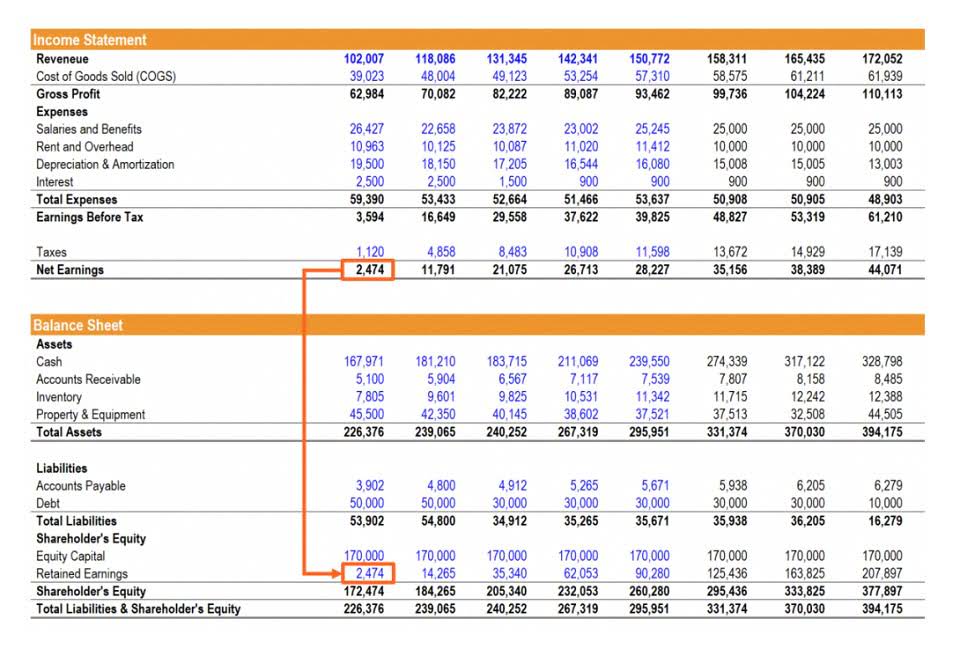
    You can also use the cash flow analysis to prepare an estimate or plan for future cash flows (i.e. a cash flow budget). This is important because cash flow is about timing – making sure you have money on hand when you need it to pay expenses, buy inventory and other assets, and pay your employees. A cash flow statement in a financial model in Excel displays both historical and projected data. Before this model can be created, we first need to have the income statement and balance sheet built in Excel, since that data will ultimately drive the cash flow statement calculations. If the starting point profit is above interest and tax in the income statement, then interest and tax cash flows will need to be deducted if they are to be treated as operating cash flows.

    Note that IFRS allows for interest and dividend receipts to be included in either investing or operating activities. Tally all cash inflows and outflows related to buying and selling property and assets that increase the value of the business. Subtract the value of any increases in operating assets such as accounts receivable and monies owed to the business or add the value if operating assets have decreased.

    Businesses can prevent liquidity shortages by adopting proactive cash management practices such as daily cash flow monitoring, accurate forecasting, and scenario planning. Using cash management in banking tools and automation ensures timely fund availability and reduces liquidity risk.ing to enhance efficiency and maximize returns. It goes beyond day-to-day transactions by ensuring surplus cash is invested wisely, risks are minimized, and working capital is optimized. Effective cash management empowers companies to stay liquid during fluctuations, make confident financial decisions, and unlock growth opportunities. Experts recommend a number of best practices to create the most accurate cash flow forecasts. Top suggestions include looking closely at past financial numbers; paying attention to unusual costs that might occur; and updating forecasts frequently.

    Did you know tracking the right treasury metrics can improve cash forecasting?

    Keeping track of these accounts can inform your collections process by helping you quickly identify which overdue payments have aged significantly. The issuance of debt is a cash inflow, because a company finds investors willing to act as lenders. However, when these debt investors are paid back, then the repayment is a cash outflow. Unlock the must-have features that make cash flow management systems reliable, efficient, and fraud-resistant. This initial step offers insights into strengths, weaknesses, and the effectiveness of measures to boost cash flow. Assess balance, movement records, charges incurred, statement of cash flows: free template andexamples and availability for a clear action plan.

    This template works for any length of time and allows you to compare different periods for a quick analysis of cash flows. It include sections for an itemized list of revenue and expenditures, automatic calculations of totals and net cash flows, and a simple layout for ease of use. You can modify the template by adding or removing sections to tailor it to your business.

    • If you use accounting software, it can create cash flow statements based on the information you’ve already entered in the general ledger.
    • When preparing the statement, each cash flow is categorized by its type.
    • Cash flow from financing activities can come from receiving financing from investors, issuing payments to shareholders or repaying debt principal.
    • The template is divided into sections for operations, investing, and financing activities.

    With Bench, you can keep tabs on your small business financials with just a few clicks. Sign up today and receive a free month of bookkeeping with financial statements to keep. First impressions matter, especially when it comes to groups of people you want to invest in your business or approve of your future growth plans. A clear, detailed cash flow statement can provide a comprehensive view of your business’s financial movements, empowering you to make more informed decisions. Let’s take a closer look at what cash flow statements do for your business, and why they’re so important.

    Proceeds from disposal of investments

    Forecasts also offer insight into the effects of sales programs or other business changes. Download Ramp’s cash flow template here, and take control of your business finances. We allow you to use these templates only as part of your business activities, but we do not guarantee that they fit your needs. You are responsible for the content of the documents you create using these templates. We are not responsible for the value or accuracy of these documents, nor for the damages resulting from their use.

    It’s used together with the income statement and balance sheet to give you a full financial picture of your business. A cash flow statement is a financial report that tracks the cash inflows and outflows of a business over a specific period. It provides insights into a company’s liquidity and overall financial health. Essentially, it serves as a map of cash movements within the business, helping you understand how money flows in and out. New businesses trying to secure a loan may also require a cash flow forecast. By simply filling in the cash inflows and outflows, the template will provide you with the forecasted cash flow.

    • This analysis can help you make more accurate cash flow predictions and inform your business decisions.
    • Mastering cash flow statements empowers businesses of all sizes to take control of their finances, make informed decisions, and plan confidently for the future.
    • Sign up today and receive a free month of bookkeeping with financial statements to keep.
    • In the next section, list cash received and disbursed from investing activities.

    This template is designed for easy planning, with a simple spreadsheet layout and alternating colors to highlight rows. You get a snapshot of cash flows over a 12-month period in a basic Excel template. Use this income statement template to assess profit and loss over a given time period.

    These articles and related content is the property of The Sage Group plc or its contractors or its licensors (“Sage”). Accordingly, Sage does not provide advice per the information included. These articles and related content is not a substitute for the guidance of a lawyer (and especially for questions related to GDPR), tax, or compliance professional. When in doubt, please consult your lawyer tax, or compliance professional for counsel. Sage makes no representations or warranties of any kind, express or implied, about the completeness or accuracy of this article and related content. GAAP includes restricted cash in balances of cash and cash equivalents.

    This helps stakeholders determine if they have a cash surplus or cash deficit allowing them to make strategic decisions beforehand to avoid any financial distress. A detailed cash flow statement assesses the amount, timing and certainty of all cash-inflows and cash-outflows for the business and helps a lot in making other financial statements. There is no standard format or layout to create cash flow statement but most of companies are using their own formats for this purpose. By searching on google, you can get an appropriate cash flow statement template or sample to use when making a cash flow statement for your company or business. Cash flow statement template is a handy tool produced by professionals that assists a lot to create error free cash flow statement either for your own business or for another company. You can think of your cash flow statement as the financial heartbeat of your business.

    Any articles, templates, or information provided by Smartsheet on the website are for reference only. Any reliance you place on such information is therefore strictly at your own risk. For more resources, check out our business templates library to download numerous free Excel modeling, PowerPoint presentation, and Word document templates. Xero’s got everything you need to succeed, from accounting and invoicing to reporting and payroll. Achieve financial visibility with our easy-to-use online cashflow calculator — designed to help you track both Direct Cashflow and Indirect Cashflow for smarter financial planning. Income statements also called profit and loss (P&L) statements confirm how profitable a company is.

    Sage Intacct has 150 built-in financial reports enabling you to easily create custom reports and leaving you with more time to focus on your business and prepare your financial statements. However, IAS 7 requires companies to disclose these activities in other financial statements. IAS 7 requires companies to report most investing and financing activities gross, categorized by type of receipt or payment. For more information, you can also read cash flow statements explained here. Along with the balance sheet and income statement, this set of financial documents are required for both private and public companies. You can use this template to perform a cash flow sensitivity analysis in order to anticipate shortfalls and help your business maintain a positive cash position.

    This analysis can help you make more accurate cash flow predictions and inform your business decisions. These investments are a cash outflow, and therefore will have a negative impact when we calculate the net increase in cash from all activities. Conversely, if a current liability, like accounts payable, increases this is considered a cash inflow. This is because the company has yet to pay cash for something it purchased on credit. This increase is then added to net income (a decrease would be subtracted).

    Cut down reconciliation delays, eliminate portal juggling, and gain real-time cash visibility with automated cash management solutions. HighRadius is redefining treasury with AI-driven tools like LiveCube for predictive forecasting and no-code scenario building. Its Cash Management module automates bank integration, global visibility, cash positioning, target balances, and reconciliation—streamlining end-to-end treasury operations. With HighRadius, you gain the tools and intelligence needed to optimize your cash flow management effectively and make informed decisions. Cash flow forecasting is an important aspect of financial management, and there are several advantages of this for businesses. They help a company plan for periods when cash will be low, or when it might need financing.

    As a result, D&A are expenses that allocate the cost of an asset over its useful life. Depreciation involves tangible assets such as buildings, machinery, and equipment, whereas amortization involves intangible assets such as patents, copyrights, goodwill, and software. However, we add this back into the cash flow statement to adjust net income because these are non-cash expenses. By following these steps, you’ll create a comprehensive cash flow statement that accurately reflects your company’s financial activity over the selected period. This document is crucial for assessing your business’s cash position and making informed financial decisions. Keep in mind, with both those methods, your cash flow statement is only accurate so long as the rest of your bookkeeping is accurate too.

    These services may include cash pooling, account reconciliation, payment processing, and liquidity forecasting to enhance efficiency and maximize returns. Effective cash and liquidity management requires proactive planning, constant monitoring, and strong risk controls. These five proven strategies help businesses, from startups to enterprises, stay resilient and make confident financial decisions. Danone chose HighRadius Cash Forecasting Software to automate forecasting and data gathering through bank and ERP integration for easy cash movement.

  • openai gpt-oss: gpt-oss-120b and gpt-oss-20b are two open-weight language models by OpenAI

    The terminal chat application is a basic example of how to use the harmony format together with the PyTorch, Triton, and vLLM implementations. It also exposes both the python and browser tool as optional tools that can be used. Additionally we are providing a reference implementation for Metal to run on Apple Silicon. This implementation is not production-ready but is accurate to the PyTorch implementation. Add additional models to have vision capabilities, beyond the default pattern matching. It works but sometimes it gets deleted even tho ChatGPT already gave you the answers, the same as the Gemini.

    Is chatgpt pro much better than free

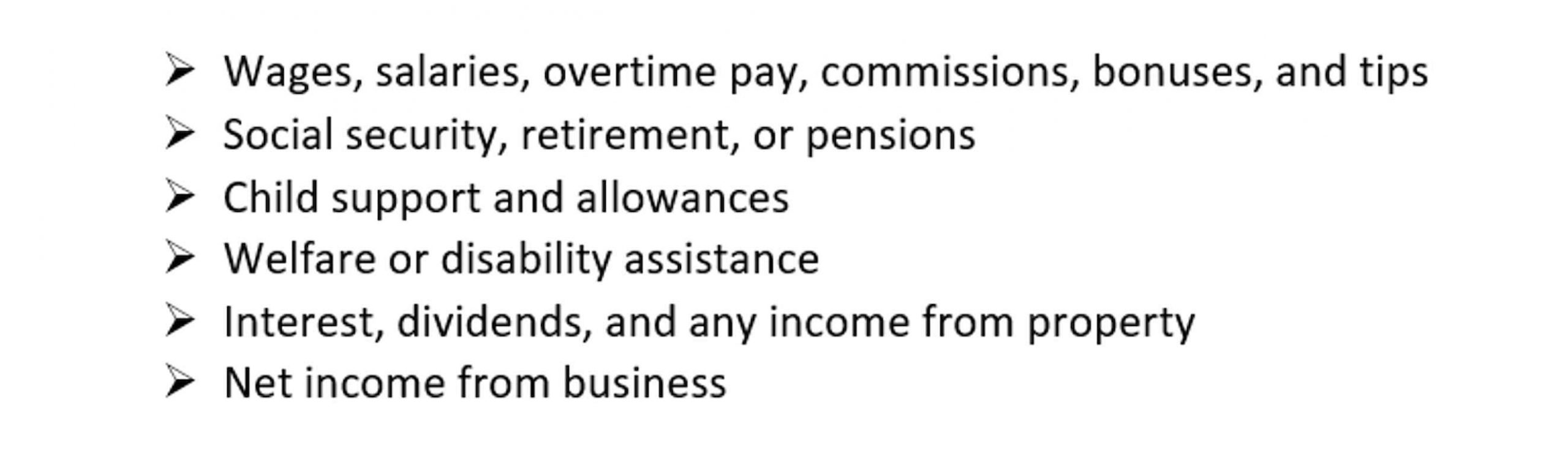
    Employers must provide a separate accounting of workers’ tips from their regular wages. These records must be provided to the IRS and reflected on employees’ W-2s or contractors’ 1099s. For 2025 only, employers may approximate cash tip accounting using any reasonable method allowed by the Treasury Department. A kilowatt is a unit of power in the International System of Units (SI). The reference implementations in this repository are meant as a starting point and inspiration. Outside of bug fixes we do not intend to accept new feature contributions.

    • Messages regarding policy changes should clearly explain the nature of the change, its effective date, and the reasons behind it.
    • Integrating overtime tracking with payroll systems ensures employees are compensated correctly and on time.
    • Along with the model, we are also releasing a new chat format library harmony to interact with the model.
    • Employers found to be in violation of the BCEA’s overtime pay regulations may be required to compensate the employee for unpaid overtime, and could face additional penalties or sanctions.
    • To convert from Kilowatts to Watts, multiply your figure by 1000 (or divide by 0.001) .

    To convert from Watts to Kilowatts, multiply your figure by 0.001 (or divide by 1000) . To convert from Kilowatts to Watts, multiply your figure by 1000 (or divide by 0.001) . For example, here’s how to convert 5 Kilowatts to Watts using the formula above. One watt is the power equal to the rate of energy of one joule per second in an electrical circuit.1 One watt is also equal to the power produced in a circuit with a voltage potential of one volt with a current of one amp.

    Prompt Link

    By adhering to these guidelines, both employers and employees can foster a compliant and productive working environment. Regular review of the overtime policy is crucial for ensuring compliance with evolving labor laws and adapting to the organization’s changing needs. This proactive approach helps mitigate legal risks and supports fair employee treatment. Understanding the differences between exempt and non-exempt employees is vital for proper classification and compliance. Exempt employees typically hold positions in administrative, professional, executive, computer, or outside sales roles and are not entitled to overtime pay.

    Working excessive overtime significantly increases the risk of workplace accidents, with a 23% greater likelihood for employees logging 60 hours a week. Employees who frequently work overtime are five times more likely to experience a car accident compared to those with regular hours. If an employee works in multiple roles with different pay rates, the overtime rate is determined by the weighted average of those rates. Integrating overtime tracking with payroll systems ensures employees are compensated correctly and on time.

    The content and links on  are intended for general information purposes only. Any legal analysis, legislative updates, or other content and links should not be construed as legal or professional advice or a substitute for such advice. If you require legal or professional advice, kindly contact an attorney or other suitable professional advisor. The power in watts is equal to the current in amperes times the potential difference in volts. One kilowatt is the power equal to 1,000 watts, or the energy consumption at a rate of 1,000 joules per second.

    Kilowatts to Watts

    • Under the Fair Labor Standards Act “primarily engaged” does not necessarily mean at least half, but California wage-and-hour laws, working less than half of exempt duties automatically eliminates the overtime exemption.
    • Many employers will need to adjust payroll and record-keeping systems.
    • While vLLM uses the Hugging Face converted checkpoint under gpt-oss-120b/ and gpt-oss-20b/ root directory respectively.
    • A watt is a unit of power in the International System of Units (SI).

    While the Basic Conditions of Employment Act (BCEA) sets forth clear guidelines on overtime compensation, there are occasions when employees may work overtime without prior authorization. For the next prompt, I will create a command/prompt to make chatgpt generate a full completed code without requiring user to put/write any code again. Time tracking systems should provide real-time data on employee hours worked to ensure accuracy for the company. Incorporating technology for accurate time tracking and reporting helps streamline the review process and ensures adherence to labor regulations. Overtime pay is applicable only for hours worked over 40 in a week, regardless of whether they occur on weekends or holidays.

    openai/gpt-oss

    Additionally, under the proposed rule, automatic service charges may also be excluded as not “qualified tips” if the charge is added without an option for the customer to disregard or modify it. These include health care, law, accounting, performing arts, consulting, financial services, athletics, and other fields where a business’s principal asset is the reputation or skill of its employees. Businesses involved in investing, trading, or dealing in securities, partnership interests, or commodities are also excluded. “Is Extra Pay Required For Weekend Or Night Work?”Additional information about overtime pay. Fact Sheet on the Overtime Pay Requirements of the Fair Labor Standards Act (FLSA) (PDF)Provides general information concerning the application of the overtime pay provisions of the FLSA.

    Employees should also be proactive in understanding their rights so that they can advocate for themselves if their employer does not meet their legal obligations concerning overtime work and pay. Overtime law in South Africa is primarily governed by the Basic Conditions of Employment Act (BCEA), which sets the standard for fair labor practices regarding working hours, overtime pay, and other employment conditions. The Act ensures that employees are compensated for hours worked beyond their normal working hours. The spirit of these regulations is to protect workers from excessive work demands and compensate them appropriately for extended work periods. An employer who requires or permits an employee to work overtime is generally required to pay the employee premium pay for such overtime work. Employees covered by the Fair Labor Standards Act (FLSA) must receive overtime pay for hours worked in excess of 40 in a workweek of at least one and one-half times their regular rates of pay.

    Electric Current Units

    Welcome to the gpt-oss series, OpenAI’s open-weight models designed for powerful reasoning, agentic tasks, and versatile developer use cases. The problem is, the page starts to get really slow and laggy when a conversation reaches that scale. I have all this time and effort invested into it, but it takes like 20 seconds to load the page and 20 seconds to submit a prompt.

    Employees are not entitled to overtime pay for work on holidays or weekends unless overtime is worked on such days. Employees who are 16 years old and older can work unlimited hours in a workweek. There is no restriction on the total number of hours they can put in.

    Understanding these rights is critical for employees to ensure they receive fair pay for the hours they put in beyond their regular working time. Stay overtime pay u s. department of labor tuned as we unfold these aspects, offering detailed insights into managing overtime effectively while complying with the law in South Africa. The application of overtime law ensures that workers are adequately compensated for their extra time and effort (beyond regular working hours) and helps maintain a healthy work-life balance.

    The FLSA does not require overtime pay for work on Saturdays, Sundays, holidays, or regular days of rest, unless overtime hours are worked on such days. Summing up, an effective overtime policy plays a crucial role in managing labor costs, ensuring compliance with laws, and maintaining employee satisfaction. Key elements include clear definitions of overtime hours, proper classification of employees, and robust recording and approval processes. Effective communication of the overtime policy is essential for compliance and clarity.

    Payment for overtime cannot be waived by any agreement between the employer and employee, ensuring rights to overtime compensation remain intact. The overtime rate must be at least 1.5 times the amount of your hourly pay rate. Your employer must pay you at the overtime rate for the extra hours you worked. Under the Fair Labor Standards Act “primarily engaged” does not necessarily mean at least half, but California wage-and-hour laws, working less than half of exempt duties automatically eliminates the overtime exemption. Independent contractors are not employees covered by overtime laws and so it is important to determine if a worker is an independent contractor or an employee. When disputes arise over overtime pay, employees in South Africa have several avenues to seek resolution.

  • What are credit sales?

    what is credit sales

    Credit sales offer several advantages to businesses, including the potential for increased profit margins through effective credit sales policies. The percentage of credit sales method determines the uncollectible debts by predicting the probability of not collecting delinquent accounts. It estimates the expenses such as bad debt or uncollectible costs depending on the net credit sales percentage.

    • This invoice serves as a formal request for payment and a record of the transaction.
    • A well-defined credit term strategy is instrumental in minimizing payment delays and reducing instances of bad debt, ultimately leading to sustainable business growth.
    • Purchases made with credit cards are a prime example, where a consumer uses a card to buy goods or services, and the credit card issuer pays the merchant on their behalf.
    • Credit sales can foster increased customer loyalty by providing flexible payment terms, thereby extending the collection period and building trust based on creditworthiness evaluations.
    • Retailers have started indulging in credit sales, thanks to merchant credit, and have already reaped the benefits of their work.

    The terms must be in writing and agreed upon by both parties, and a contract must confirm the details. In the above example, Walter is offering a 10% discount if Smith makes the payment on or before January 10, 2018. Credit Sales refer to sales in which the customer or purchaser is allowed to make payment later instead of at the purchase time. Automation tools like Kolleno can streamline the process by automating invoicing and payment follow-ups and maintaining control over receivables. Thanks to detailed dashboards and reports (DSO in real-time, for example) and predictive analyses to anticipate payer behavior, you have better control over customer risk.

    Let’s assume in the above example that Smith cannot make payment by January 30, 2018, as he has gone bankrupt. Now, Walter believes that the outstanding amount is unrecoverable and is bad debt now. By default, the payment period between professionals is legally set at 30 days from receipt of the goods or performance of the service. However, by agreement between the parties, this period may be extended to a maximum of 60 days from the date of issue of the invoice. Last but not least, selling on credit exposes a business to the risk of insolvency.

    Say you agree to a 30-day credit policy with multiple customers who delay payment by several months. Read through the following benefits to determine when to use credit sales for your business (there are also drawbacks to consider, which this article covers in more detail later). Calculate the total credit sales for the period under consideration – usually monthly, quarterly or annually. Recording transactions in at least two accounts also shows where your money comes from and where it’s going. As a result, you can quickly assess your company’s financial position, identify trends and spot potential issues early.

    To enhance market penetration

    Purchases made with credit cards are a prime example, where a consumer uses a card to buy goods or services, and the credit card issuer pays the merchant on their behalf. The consumer then repays the credit card issuer, typically on a monthly billing cycle, sometimes incurring interest if the balance is not paid in full by the due date. Tools like CRM software or accounts receivable metrics platforms can further simplify the process by providing detailed performance data and reports. While the benchmark for the average collection period will differ by industry, the most often cited figure for cash retrieval is around 30 to 90 days. Credit sales are a powerful tool for boosting sales, increasing customer retention and expanding your market presence. While there are some risks, you can minimize them with proper preparation, planning and technology – reaping benefits like winning more deals.

    When Do Businesses Use Credit Sales?

    • A credit sale represents a common business transaction where a buyer receives goods or services immediately, but the payment for these items is deferred to a later date.
    • You should check the legislation applicable to your contract before setting your payment terms.
    • A substantial Accounts Receivable balance can indicate strong sales but may also tie up capital, potentially impacting a company’s liquidity, which is its ability to meet short-term obligations.
    • By understanding the importance of credit sales and implementing effective credit management strategies, businesses can thrive in today’s competitive marketplace.
    • As a result, you increase the likelihood of securing sales from a broader customer base.
    • Effective negotiations play a pivotal role in setting terms that are beneficial for both parties, fostering long-term partnerships.

    Providing flexible payments also shows you trust your customer’s ability to pay. You create a sense of mutual respect, which leads to stronger, longer-lasting customer relationships. With InvoiceSherpa, sales managers and business owners can easily access the data they need to make informed decisions.

    Understanding a Credit Balance in Accounts Receivable

    what is credit sales

    Credit card fees are classified as operating expenses and are recorded separately on the income statement. These fees do not affect the calculation of gross or net credit sales, but they do impact a business’s overall profit margin. When a credit sale occurs, the accounting system typically records a debit to Accounts Receivable and a credit to Sales Revenue. The debit to Accounts Receivable increases this asset account, showing the amount the customer owes the business. Simultaneously, the credit to Sales Revenue increases the revenue account, reflecting the income earned from the sale. This initial entry formally recognizes the revenue and establishes the customer’s debt.

    Businesses also account for potential bad debts by recording bad debt expense, which impacts the Allowance for Doubtful Accounts. On the balance sheet, the Accounts Receivable balance increases immediately following a credit sale, showcasing the company’s current assets. Concurrently, the income statement reflects an increase in Sales Revenue, contributing to the reported profitability for the period. This systematic recording provides a clear picture of the company’s operational performance and financial standing. Utilize net credit sales data to get insights into customer payment behavior, and forecast revenue. By analyzing this data, businesses can make informed financial decisions, allocate resources wisely, and maintain a balance between credit and cash sales.

    As the Detroit Free Press reported in early August, analysts predict EV sales to be the strongest ever during the third quarter as consumers scramble to take advantage of the tax credit. Credit sales necessitate various requirements, including conducting credit checks, establishing clear credit terms, and in some cases, requesting collateral from customers to assess creditworthiness. This structured approach to payment arrangements aids in providing flexibility to buyers, making it easier for them to afford higher-priced items by spreading out the cost over time. Sign up for a free 14-day trial to see how Pipedrive can support your business’s sales efforts. To differentiate itself from competitors and appeal to potential clients, it offers the best credit terms on the market. There’s little room in the budget to pay for your services, so they take advantage of your 90-day payment option.

    With this insight, you can plan for potential losses and adjust your financial forecasts accordingly. Credit sales are recorded on the company’s income statement and the balance sheet. On the income statement, one must register the sale as a rise in sales revenue, cost of goods sold, and expenses.

    When a company sells on credit, it forgoes part of its cash flow until the customer pays. This can create liquidity problems and prevent the business from investing or carrying out its day-to-day activities. Your cash flow may be compromised based on net payment terms, and late fees may reduce your working capital. Credit sales are an integral part of the business world, offering benefits to both buyers and sellers. The ability to purchase goods or services on credit provides flexibility for buyers and helps sellers attract a wider customer base, increase sales, and improve cash flow management.

    On January 30, 2018, John made the full payment of $10,000 for the computers and laptops. Our automation tools ensure your financial workflows are efficient, accurate, and stress-free. The Corsair, which Ford will stop producing by year-end, sold 2,526 units in August, a 8.6% gain.

    Net credit sales have a great influence on working capital, the only difference between an organization’s current assets and current liabilities. Accounts receivables are directed by net credit sales which are part of current assets, higher receivables increase working capital. But, if the credit sales are not collected quickly, they can strain the cash flow reducing the company’s liquidity. You need to perform effective credit what is credit sales collection to maintain a healthy working capital balance.