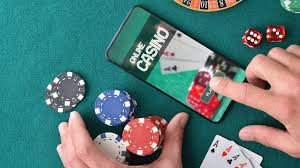
• Understanding High Volatility Casino Games

    Understanding High Volatility Casino Games

    Welcome to the world of high volatility casino games, where the thrill of risk and high rewards await! Whether you’re a seasoned player or a newcomer, understanding the mechanics of these games is essential to enhance your gaming experience. If you are looking for a great platform to play, consider checking out Casino Game Volatility Explained: High Risk vs Steady Returns olimp casino uzbekistan, which offers a wide variety of exciting games tailored for all types of players.

    What is Casino Game Volatility?

    Volatility, also known as variance, refers to the degree of risk involved in a particular game. It indicates how often and how much you can expect to win or lose while playing. In the realm of casino games, volatility can be classified into three main categories: low, medium, and high. Each category has its unique characteristics, and understanding these is crucial, especially if you’re venturing into the realm of high volatility games.

    Characteristics of High Volatility Games

    • Infrequent Wins: Players can expect to win less frequently compared to low or medium volatility games. However, when wins do occur, they are typically larger in size.
    • Higher Stakes: High volatility games often require larger bets, reflecting the increased risk and potential for larger payouts.
    • Longer Playing Sessions: The nature of high volatility can lead to longer periods of gameplay without significant wins, which can be thrilling for players who enjoy the suspense.
    • Risk vs. Reward: Players who engage in high volatility games must balance the risks of losing streaks against the potential for larger wins, making it essential to have a proper budget and strategy in place.

    Why Choose High Volatility Games?

    High volatility games attract players who are seeking greater rewards and can handle the inherent risk. These games are ideal for those with a higher risk tolerance and a taste for excitement. The potential for substantial payouts, coupled with the thrill of the chase, makes these games appealing to many.

    The Appeal of Big Wins

    One of the most significant draws of high volatility games is the prospect of hitting a substantial jackpot. These games often feature larger payout ratios, which makes the experience more exhilarating. Players are not just in it for the frequent small wins; they are willing to wait and invest for the chance at life-changing payouts.

    Game Types with High Volatility

    Numerous games fall into the high volatility category, with some of the most popular including:

    1. Slot Machines: Many video slots are designed with high volatility to offer bigger clusters of payouts. Titles such as “Book of Dead” or “Dead or Alive II” are perfect examples.
    2. Table Games: Certain variations of blackjack, poker, and roulette can also carry high volatility depending on the stakes and the style of play.
    3. Live Dealer Games: These games simulate a real casino experience, often with high stakes and the potential for significant wins.

    Understanding High Volatility Casino Games

    Strategies for Playing High Volatility Games

    While high volatility games can be incredibly rewarding, they also require thoughtful strategies to minimize losses and maximize enjoyment. Here are several tips for playing these games effectively:

    1. Bankroll Management

    It’s crucial to establish a bankroll dedicated to playing high volatility games. Given the unpredictability of these games, players should be prepared for extended periods without wins. Setting limits on losses and sticking to a predetermined budget will help preserve your funds and ensure you can continue to play for longer.

    2. Bet Wisely

    Adjusting your bet size according to the volatility of the game can be advantageous. While high bets can lead to significant wins, they can also deplete your bankroll rapidly. Consider starting with lower bets to gauge how the game plays out before committing larger amounts.

    3. Know When to Walk Away

    The excitement of high volatility can sometimes cloud judgment. It’s essential to recognize when it might be time to step away from the game, whether you’re on a winning streak or facing significant losses. Setting win/loss limits can help manage this.

    4. Choose Games with High RTP

    Return to Player (RTP) is a critical factor in choosing which high volatility games to play. Look for games that offer a higher RTP, as they typically provide better chances of winning over the long term.

    Conclusion

    High volatility casino games offer an exhilarating experience for players seeking larger payouts amid the thrill of risk. Understanding the mechanics of these games, coupled with effective strategies for play and sound bankroll management, can enhance your experience and potential for success. As you explore the exciting world of high volatility games, remember to prioritize fun and entertainment above all else, and enjoy the unique experiences that await you in each game.

    Happy gaming!

  • The Rise of Skill-Based Gaming Transforming the Future of Entertainment

    The Rise of Skill-Based Gaming Transforming the Future of Entertainment

    The Rise of Skill-Based Gaming: Transforming the Future of Entertainment

    The world of gaming is undergoing a seismic shift, with traditional paradigms giving way to innovative formats. This transformation is largely attributed to the rise of skill-based gaming. Unlike conventional games of chance, these games require players to utilize their abilities to achieve success. For instance, consider how How the Rise of Skill-Based Games Is Changing Casino Demographics olimp casino uzbekistan has begun to incorporate skill-based options, appealing to players who value strategy and competition over mere luck.

    The Historical Context of Gaming

    To understand the rise of skill-based gaming, it’s important to examine the historical context of the gaming industry. For decades, traditional gambling methods, such as slot machines and poker, were predominantly luck-based. The allure of these games often lay in their unpredictability, drawing players who enjoyed the thrill of chance.

    However, the digital revolution has changed how people play and engage with games. The advent of video games in the 1980s ushered in a new era of competition and strategy. Titles like “Pac-Man” and “Tetris” emphasized player skill and reflexes, paving the way for a new understanding of what gaming can be.

    The Shift Toward Skill-Based Gaming

    The Rise of Skill-Based Gaming Transforming the Future of Entertainment

    As technology progressed, so too did gaming preferences. With the rise of esports and competitive gaming, players began demanding more from their gaming experiences. They wanted to test their skills against others, fostering a sense of community and competition.

    This evolution has sparked a new wave of gaming that focuses on skill rather than chance. Skill-based gaming appeals not only to traditional gamers but also to casual players looking for engaging and challenging experiences. The opportunity to improve and refine one’s skills creates a deeper level of investment in the game.

    The Mechanics of Skill-Based Games

    At the core of skill-based games is the requirement for players to perform tasks that directly impact their outcomes. Unlike a roulette wheel that spins at random, a skill-based game might involve puzzle-solving, strategic decision-making, or physical challenges. This level of interactivity can provide a more rewarding experience.

    For instance, many modern casinos are incorporating skill-based slot machines that blend the mechanics of traditional slots with video game elements. These machines often feature bonus rounds where players must achieve specific tasks to win, combining luck with an element of skill.

    Demographic Appeal of Skill-Based Gaming

    The demographic appeal of skill-based gaming is another factor in its rise. Younger audiences, particularly millennials and Gen Z, gravitate towards experiences that require active participation rather than passive consumption. This generation grew up with video games and is accustomed to the mechanics of interactive play.

    As a result, casinos and gaming companies are looking to cater to these demographics by developing skill-based games that resonate with their preferences. The integration of skill-based elements into gambling creates a bridge for operators to attract a younger clientele while retaining traditional players.

    The Rise of Skill-Based Gaming Transforming the Future of Entertainment

    Challenges and Regulatory Landscape

    The success of skill-based gaming isn’t without its challenges. Regulatory frameworks in many jurisdictions continue to define gambling primarily as games of chance. This categorization can pose significant hurdles for developers looking to introduce innovative skill-based options.

    For example, jurisdictions may impose restrictions on skill-based elements in gaming, questioning whether they meet the legal definition of gambling. Developers must carefully navigate these regulations to ensure compliance while still creating engaging experiences.

    Looking Ahead: The Future of Skill-Based Gaming

    The future of skill-based gaming looks promising as the industry continues to innovate. Companies are investing heavily in technology and user experience, developing immersive environments that combine skill with cutting-edge graphics and gameplay mechanics.

    As the distinction between traditional gaming and skill-based gaming continues to blur, it’s likely we will see more hybrid models emerge. Integrating elements from both worlds can provide diverse experiences that appeal to a broader audience.

    Conclusion

    The rise of skill-based gaming signals a significant shift in the landscape of entertainment. By prioritizing player skills and interactions, the gaming industry is evolving to meet the demands of a new generation. As more players seek engaging experiences that offer both challenge and community, the popularity of skill-based games will undoubtedly continue to grow. The industry’s ability to adapt to this change will be key in shaping the future of gaming as we know it.